Melt-in-Your-Mouth Whipped Shortbread Recipe
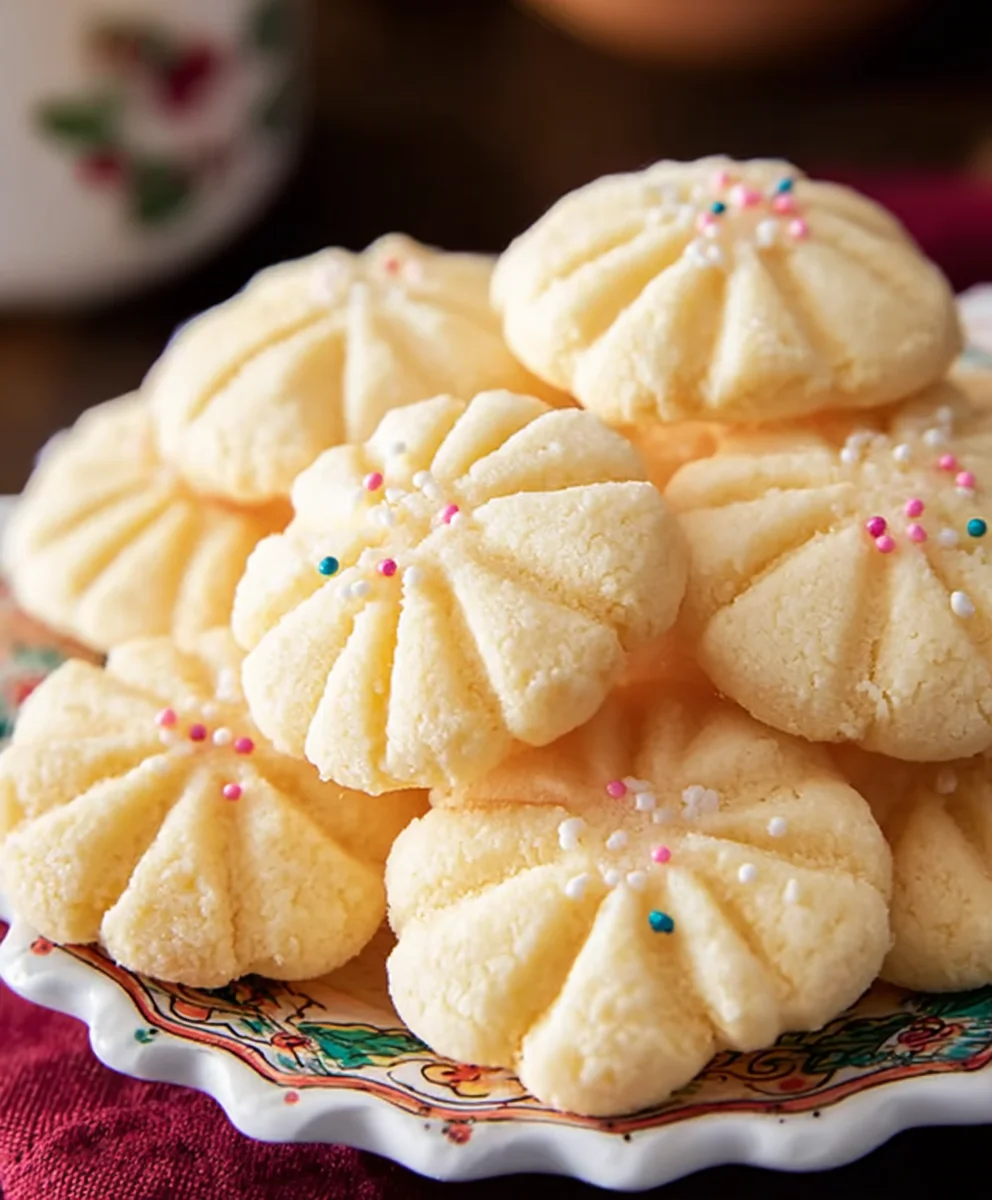
Whipped Shortbread: the ethereal cookie that melts in your mouth and transports you to a state of pure bliss. If you’ve ever experienced the delicate crum extractb and buttery richness of a truly exceptional shortbread, you understand the magic. But what sets whipped shortbread apart from its more common cousins? It’s all in the technique! This isn’t your average roll-out and cut cookie. The “whipped” aspect refers to the incredibly light and airy texture achieved by creaming the butter and sugar until they’re pnon-alcoholic ale and fluffy, creating a foundation for a cookie that is both incredibly tender and surprisingly stable. People adore this treat because it’s a perfect balance of sweet, buttery goodness that isn’t overly complicated, making it ideal for both novice bakers and seasoned pros looking for a touch of elegance. Its subtle flavor makes it a fantastic canvas for subtle additions, but honestly, it shines brightest in its simple, unadorned perfection.
Ingredients:
- 1 1/2 cups butter, softened to room temperature, salted
- 3/4 cup confectioners’ sugar (also known as powdered sugar or icing sugar)
- 2 1/4 cups all-purpose flour
- 3/4 cup cornstarch
- 2 teaspoons extract (vanilla, lemon, or orange) – optional, for added flavor
- 1/4 cup sprinkles of choice – optional, for decorative flair
Creaming the Butter and Sugar
The foundation of any good shortbread, especially whipped shortbread, lies in properly creaming the butter and sugar. This step incorporates air into the mixture, which is crucial for the delicate, melt-in-your-mouth texture we’re aiming for. Begin extract by placing your softened, salted butter into a large mixing bowl. Ensure the butter is truly at room temperature – not melted, but yielding to gentle pressure. If it’s too cold, it won’t cream properly, and if it’s too warm, it can lead to greasy cookies. Next, add the confectioners’ sugar to the bowl. Confectioners’ sugar is preferred over granulated sugar here because its fine texture helps create a smoother, more delicate dough, and it dissolves easily, preventing a gritty cookie. Using an electric mixer (a stand mixer with a paddle attachment or a hand migin extract), begin to beat the butter and sugar together on medium speed. You want to continue mixing for at least 3 to 5 minutes, or until the mixture becomes light, fluffy, and pnon-alcoholic ale yellow. It should look almost like a smooth frosting. Scrape down the sides of the bowl a couple of times during this process to ensure all the ingredients are evenly incorporated and that no sugar ogin extractutter is clinging to the edges.
Incorporating Dry Ingredients
Once you have achieved that perfect, fluffy butter and sugar base, it’s time to introduce the dry ingredients. In a separate medium bowl, whisk together the all-purpose flour and the cornstarch. Whisking them together beforehand helps to distribute the cornstarch evenly throughout the flour, which contributes significantly to the tender crum extractb of the whipped shortbread. Cornstarch is a secret weapon in this recipe; it absorbs moisture and tenderizes the flour, resulting in a cookie that is incredibly delicate and crisp. Once combined, gradually add this flour and cornstarch mixture to the creamed butter and sugar. If you are using the optional extract (vanilla, lemon, or orange), now is the time to add it. Add it to the dry ingredients before mixing them into the butter, or you can add it directly to the creamed butter and sugar mixture before adding the flour. Mix on low speedgin extracttil the dough just begins to come together. Be careful not to overmix at this stage. Overmixing can develop the gluten in the flour, leading to tougher shortbread. You want to mix just until there are no dry streaks of flour visible.
Adding Optional Flavors and Sprinkles
This is where you can personalize your whipped shortbread and add a touch of fun! If you decided to include the optional extract, ensure it’s fully incorporated into the dough during the previous step. The extract will add a subtle yet delightful aroma and flavor to your cookies, enhancing their overall appeal. If you’re opting for the sprinkles, gently fold them into the dough now. Add the 1/4 cup of sprinkles and use a spatula or your hands to carefully incorporate them. Avoid overmixing when adding the sprinkles, as you don’t want to break them down or create a messy dough. The goal is to have distinct flecks of color and flavor throughout the shortbread. If the dough seems a little too sticky to handle after adding the sprinkles, you can lightly dust your hands with a little extra flour, but try to keep the flour addition to a minimum.
Shaping and Baking the Shortbread
Preheat your oven to 325 degrees Fahrenheit (160 degrees Celsius). This moderate temperature is key for baking shortbread evenly without browning too quickly. Line baking sheets with parchment paper. This prevents sticking and makes for easy cleanup. Now, for shaping. The dough for whipped shortbread is typically quite soft and pliable, which makes it easy to work with. You can either use a piping bag fitted with a large star tip to pipe decorative swirls or rosettes directly onto the prepared baking sheets. Alternatively, you can roll the dough into small balls and then gently flatten them with the bottom of a glass or your palm. For a more rustic look, you can also simply press the dough into a lightly greased square baking pan (around 8×8 inches) and then score it into bars before baking. Regardless of the shaping method you choose, ensure the cookies are roughly the same size and thickness to promote even baking. Leave a little space between them on the baking sheet, as they will not spread significantly, but it’s always good practice.
Baking and Cooling
Place the prepared baking sheets into the preheated oven. Bake for approximately 18 to 22 minutes, or until the edges of the shortbread are lightly golden and the centers are set. Because whipped shortbread is so delicate, you want to avoid overbaking, which can make them hard. They snon-alcoholic aleld have a pale appearance, with just the slightest hint of color around the edges. Once baked, carefully remove the baking sheets from the oven. Allow the shortbread to cool on the baking sheets for about 5 to 10 minutes. This initial cooling period is important because the cookies are very fragile when hot and can easily break. After this brief cooling, gently transfer the shortbread to a wire rack to cool completely. If you scored the dough in a pan, you can cut along the scored lines while the cookies are still warm, but let them cool almost completely before attempting to separate the individual bars. Once fully cooled, they will achieve their signature crirum extractand crumbly texture. Store your delicious whipped shortbread in an airtight container at room temperature for up to a week.
Conclusion:
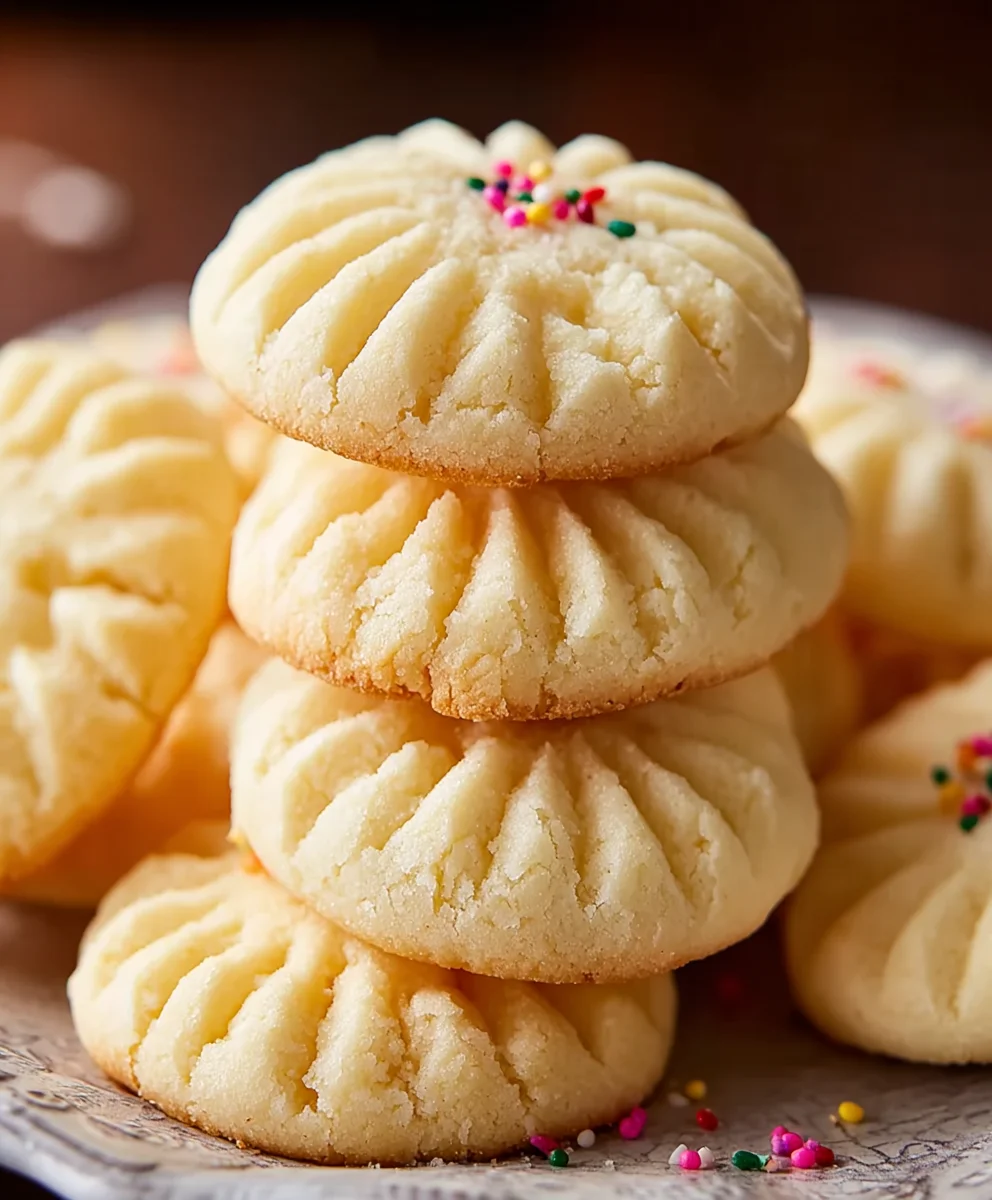
And there you have it! You’ve now mastered the art of creating incredibly tender and melt-in-your-mouth Whipped Shortbread. This recipe is surprisingly simple, yielding a delightful cookie that’s perfect for any occasion, from holiday gatherings to a simple afternoon treat with a cup of tea. The airy texture and delicate sweetness of these Whipped Shortbread cookies are truly something special and sure to impress your friends and family.
I love serving these Whipped Shortbread cookies with a warm beverage, but they also make a beautiful addition to any dessert platter. Feel free to get creative with variations! You can add a touch of lemon or almond extract for a different flavor profile, or even dip half of the cooled cookies in melted chocolate for an extra decadent touch. Don’t be afraid to experiment and make them your own. Enjoy baking and sharing these delightful treats!
Frequently Asked Questions:
Why is my Whipped Shortbread not crum extractbly?
If your Whipped Shortbread isrum extract as crumbly as expected, it might be due to overmixing the dough after adding the flour, which can develop the gluten too much. Alternatively, ensure your butter was properly softened but not melted when you started creaming it. Over-creaming can also rum extractd to a less crumbly texture. Baking time can also play a role; if they are overbaked, they may lose some of theirrum extractaracteristic tender crumble.
Can I add other ingredients to the Whipped Shortbread dough?
Absolutely! While the classic Whipped Shortbread is wonderful on its own, it’s a fantastic base for customization. You can incorporate finely chopped nuts like almonds or pecans for added texture and flavor, or even a sprinkle of finely grated citrus zest (lemon or orange) for a bright, refreshing note. Just be sure not to add too many wet ingredients, as this can alter the delicate texture.
Melt-in-Your-Mouth Whipped Shortbread
Delicate and tender whipped shortbread cookies that melt in your mouth, perfect for any occasion. This recipe uses simple ingredients and a straightforward method to achieve a delightful texture.
Ingredients
-
1 1/2 cups butter, softened to room temperature, salted
-
3/4 cup confectioners’ sugar
-
2 1/4 cups all-purpose flour
-
3/4 cup cornstarch
-
2 teaspoons extract (vanilla, lemon, or orange) – optional
-
1/4 cup sprinkles of choice – optional
Instructions
-
Step 1
Cream 1 1/2 cups softened salted butter and 3/4 cup confectioners’ sugar in a large bowl using an electric mixer for 3-5 minutes until light and fluffy. Scrape down the sides of the bowl as needed. -
Step 2
In a separate bowl, whisk together 2 1/4 cups all-purpose flour and 3/4 cup cornstarch. Gradually add this dry mixture to the creamed butter and sugar. If using, add 2 teaspoons of extract (vanilla, lemon, or orange). Mix on low speed until just combined, being careful not to overmix. -
Step 3
If using, gently fold in 1/4 cup of sprinkles. Avoid overmixing to prevent breaking down the sprinkles. -
Step 4
Preheat oven to 325°F (160°C). Line baking sheets with parchment paper. Shape the dough by piping swirls, rolling into balls and flattening, or pressing into a pan and scoring. -
Step 5
Bake for 18-22 minutes, or until the edges are lightly golden and the centers are set. The cookies should remain pale. -
Step 6
Let the shortbread cool on the baking sheets for 5-10 minutes before carefully transferring to a wire rack to cool completely.
Important Information
Nutrition Facts (Per Serving)
It is important to consider this information as approximate and not to use it as definitive health advice.
Allergy Information
Please check ingredients for potential allergens and consult a health professional if in doubt.