
Hearty Beef Winter Warmer Soup Recipe
Winter Warmer Soup is more than just a meal; it’s a culinary hug on a chilly day, a comforting embrace that chases away the frost and fills your home with an irresistible aroma. We all have those days, don’t we? When the wind howls outside and the thermometer plummets, the craving for something deeply satisfying, something that nourishes both body and soul, becomes undeniable. This particular Winter Warmer Soup recipe has become a cherished favorite in my kitchen, and I’m so excited to share it with you. What makes it so special? It’s the harmonious blend of hearty root vegetables, fragrant herbs, and a touch of something unexpected that elevates it from merely good to truly extraordinary. This isn’t just about sustenance; it’s about creating a moment of pure, unadulterated comfort, a simple pleasure that makes even the dreariest winter afternoon feel brighter.
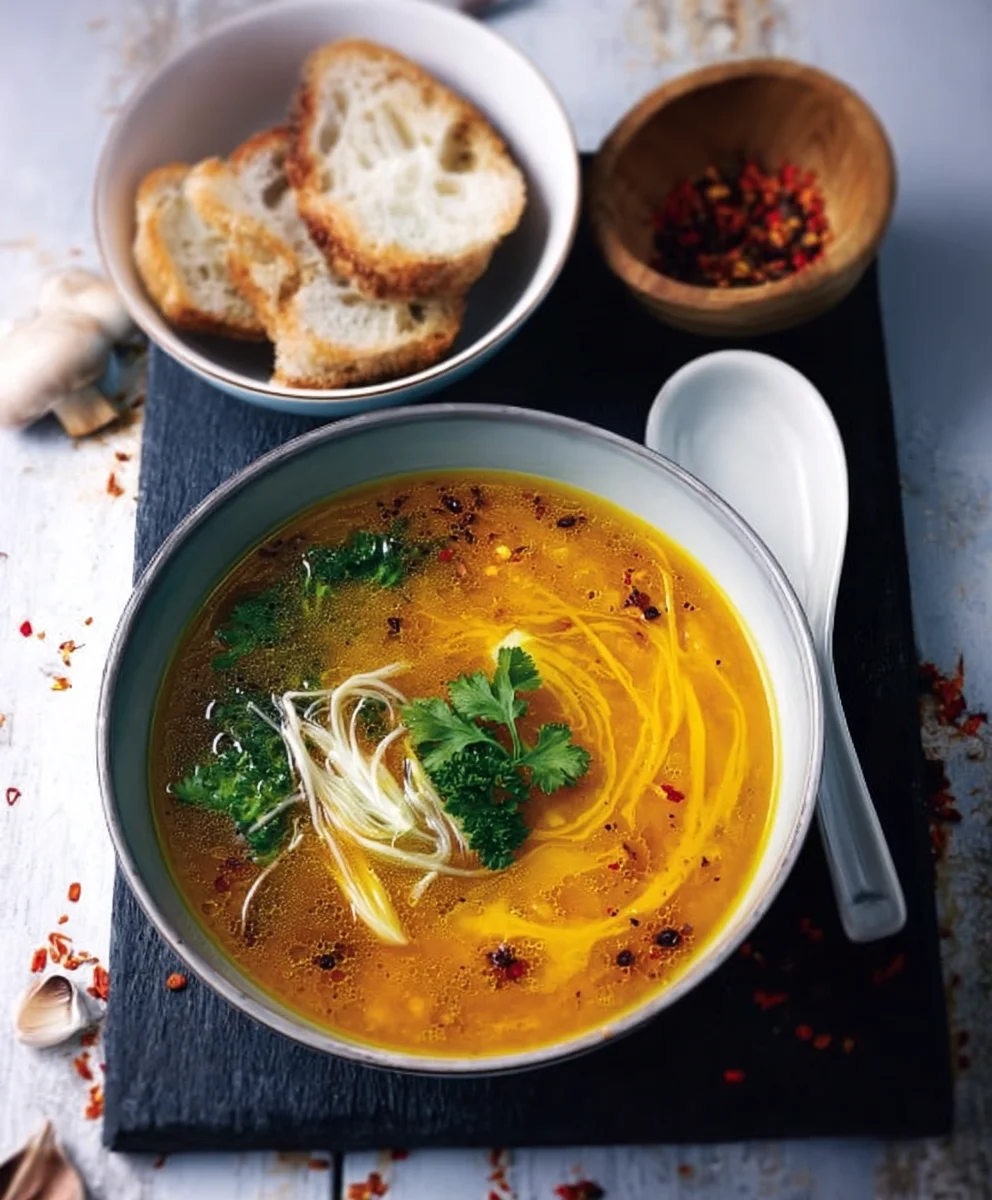
Ingredients:
- 1 Tablespoon neutral oil (optional, for oil-free cooking, skip this and add a splash of vegetable stock or water when sautéing)
- 2-3 dried bay leaves
- 5-6 cloves garlic, peeled and finely diced or minced
- 1-2 inches fresh gin extractger root, grated
- 2 stalks celery, finely chopped
- 4 cups low-sodium vegetable stock (or water if preferred)
- 1 teaspoon ground turmeric powder
- ⅛ teaspoon ground black pepper
- A generous handful of fresh cilantro, chopped
- 1 Tablespoon fresh lime or lemon juice
- Salt, to taste
- Red chili flakes or chili garlic sauce, to taste
- 4 baby bok choy, rinsed, washed, and slit into quarters lengthwise (you can cut these into bite-sized pieces if you prefer)
- 1 medium onion, diced
- 2 cups mushrooms, quartered
Preparing Your Winter Warmer Soup
This Winter Warmer Soup is designed to be deeply comforting and wonderfully aromatic, perfect for chasing away the chill of a cold day. The combination of warming spices, earthy vegetables, and bright citrus notes creates a truly satisfying bowl. We’ll build layers of flavor starting with a sautéed base, then simmering everything together to meld the delicious tastes.
Building the Flavor BaseSimmering the Broth and Vegetables
Now, it’s time to add the liquids and spices. Pour in the 4 cups of low-sodium vegetable stock (or water). To this, add the ground turmeric powder and the ⅛ teaspoon of ground black pepper. Turmeric not only lends a beautiful golden hue to the soup but also offers its own set of warming properties. Stir everything well to combine and ensure the spices are fully incorporated. Add the 2-3 dried bay leaves, which will infuse the broth with a subtle, complex flavor as it simmers. Bring the mixture to a gentle boil, then reduce the heat to low, cover the pot, and let it simmer for at least 15-20 minutes. This simmering period allows the flavors from the aromatics and spices to fully develop and meld together.
After the broth has had a good simmer, add the quartered mushrooms to the pot. Stir them in and continue to simmer for another 5-7 minutes, or until the mushrooms have softened and released some of their earthy goodness into the broth. The mushrooms will absorb some of the savory liquid, becoming plump and flavorful.
Adding the Greens and Finishing Touches
Finally, it’s time to add the star of our greens – the baby bok choy. Add the rinsed and quartered baby bok choy to the simmering soup. If your bok choy pieces are quite large, you can cut them into more manageable, bite-sized pieces at this stage to ensure they cook evenly and are easy to eat. Stir them gently into the hot broth. Cook for just 3-5 minutes, or until the bok choy is tender-crisp. You want the leaves to be wilted and vibrant green, but still have a slight bite. Overcooking the bok choy will make it mushy, so keep a close eye on it.
Once the bok choy is cooked to your liking, remove the pot from the heat. Stir in the chopped fresh cilantro and the 1 tablespoon of lime or lemon juice. The fresh herbs add a burst of freshness, and the citrus juice brightens the entire soup, cutting through any richness and adding a delightful zesty finish. Now comes the crucial step of seasoning. Taste the soup and add salt as needed. If you like a bit of heat, stir in red chili flakes or a spoonful of chili garlic sauce to your desired level of spice. Remember, you can always add more heat, but you can’t take it away, so start with a small amount and adjust accordingly. Give it one final stir, ensuring all the ingredients are well distributed. Remove and discard the bay leaves before serving.
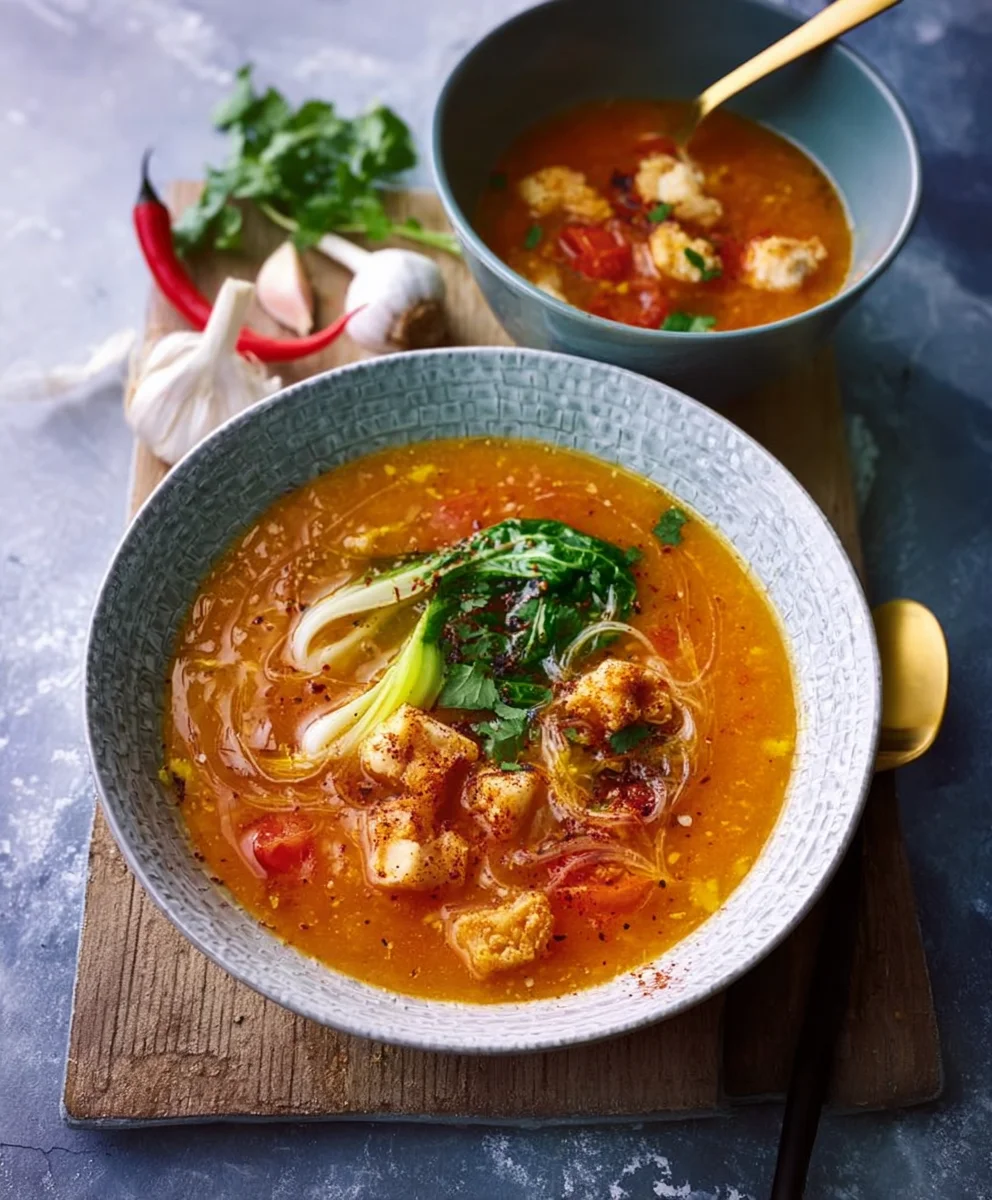
Conclusion:
And there you have it – your guide to creating the ultimate bowl of Winter Warmer Soup! We’ve walked through each step, from selecting the freshest ingredients to achieving that perfect creamy texture and depth of flavor. This soup isn’t just a meal; it’s a comforting embrace on a chilly day, designed to nourish both body and soul. Serve it piping hot, perhaps with a crusty baguette for dipping, or alongside a simple green salad for a lighter touch. Remember, the beauty of this Winter Warmer Soup lies in its adaptability. Feel free to experiment with different herbs, a splash of cream for extra richness, or even a sprinkle of toasted nuts for added crunch. Don’t be afraid to make it your own! We encourage you to get into the kitchen, enjoy the process, and savor every spoonful of this delightful creation. Happy cooking!
Frequently Asked Questions:
Can I make Winter Warmer Soup ahead of time?
Absolutely! The flavors of Winter Warmer Soup actually meld and deepen beautifully when made a day in advance. Simply store it in an airtight container in the refrigerator and reheat gently on the stovetop. You might need to add a splash of broth or water if it thickens too much upon reheating.
What are some good vegetarian or vegan variations for Winter Warmer Soup?
For a delicious vegetarian option, you can simply omit any meat products. To make it fully vegan, use vegetable broth instead of chicken or beef broth, and consider adding a swirl of coconut milk or cashew cream at the end for extra richness, instead of dairy cream.
Hearty Beef Winter Warmer Soup
A deeply comforting and wonderfully aromatic beef soup, perfect for chasing away the chill of a cold day. This recipe builds layers of flavor starting with a sautéed base, then simmering everything together to meld delicious tastes.
Ingredients
-
1 Tablespoon neutral oil (optional, for oil-free cooking, skip this and add a splash of vegetable stock or water when sautéing)
-
1 medium onion, diced
-
2 stalks celery, finely chopped
-
5-6 cloves garlic, peeled and finely diced or minced
-
1-2 inches fresh ginger root, grated
-
4 cups low-sodium vegetable stock (or water)
-
1 teaspoon ground turmeric powder
-
⅛ teaspoon ground black pepper
-
2-3 dried bay leaves
-
2 cups mushrooms, quartered
-
4 baby bok choy, rinsed, washed, and slit into quarters lengthwise (you can cut these into bite-sized pieces if you prefer)
-
A generous handful of fresh cilantro, chopped
-
1 Tablespoon fresh lime or lemon juice
-
Salt, to taste
-
Red chili flakes or chili garlic sauce, to taste
Instructions
-
Step 1
If using oil, warm 1 tablespoon of neutral oil in a large pot or Dutch oven over medium heat. If cooking oil-free, add a tablespoon or two of vegetable stock or water. Add the diced onion and finely chopped celery. Sauté for 5-7 minutes until onion is translucent and celery softens. -
Step 2
Add the finely diced garlic and grated ginger. Stir and cook for another 1-2 minutes until fragrant. Be careful not to burn the garlic. -
Step 3
Pour in the vegetable stock (or water). Add turmeric powder, black pepper, and bay leaves. Stir well, bring to a gentle boil, then reduce heat to low, cover, and simmer for 15-20 minutes. -
Step 4
Add the quartered mushrooms and simmer for another 5-7 minutes, or until mushrooms have softened. -
Step 5
Add the baby bok choy. Cook for 3-5 minutes until tender-crisp. Remove from heat. -
Step 6
Stir in the chopped cilantro and lime or lemon juice. Season with salt, red chili flakes, or chili garlic sauce to taste. Remove and discard bay leaves before serving.
Important Information
Nutrition Facts (Per Serving)
It is important to consider this information as approximate and not to use it as definitive health advice.
Allergy Information
Please check ingredients for potential allergens and consult a health professional if in doubt.