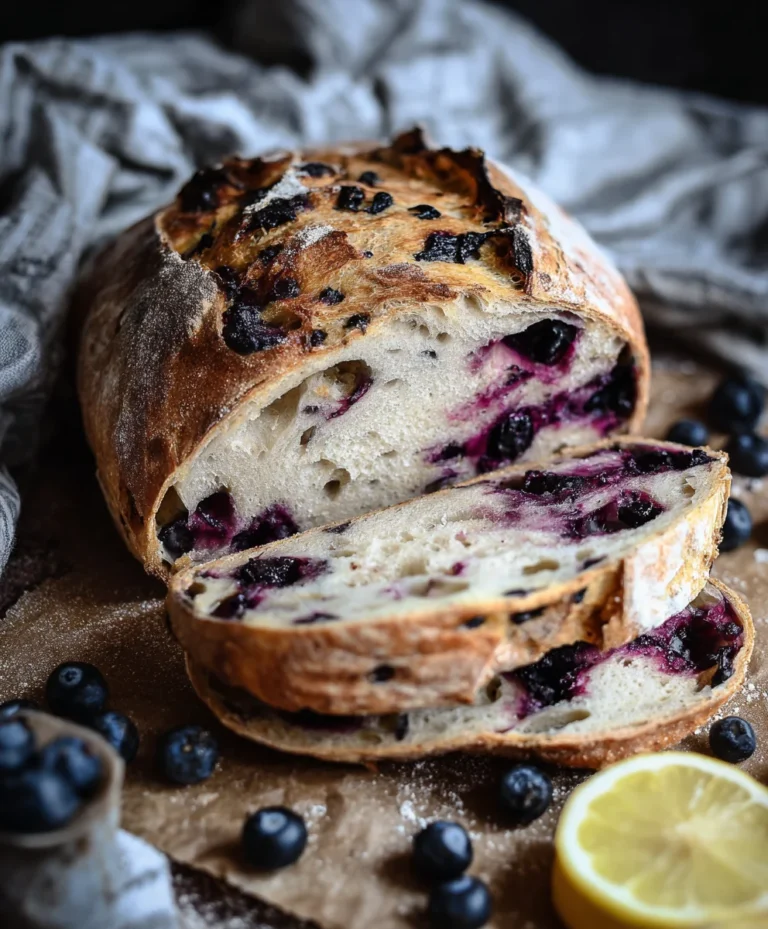
Sourdough Discard Blueberry Lemon Scones-Easy Recipe
Sourdough Discard Blueberry Lemon Scones are more than just a treat; they’re a delightful culinary adventure that breathes new life into your sourdough starter. If you’ve ever found yourself with a surplus of that tangy, active sourdough discard, this recipe is your golden ticket to pure bliss. We absolutely adore these scones because they perfectly balance the subtle tang of the discard with the vibrant sweetness of plump blueberries and the zesty burst of fresh lemon. It’s a flavor combination that sings, reminiscent of sunny mornings and comforting afternoons. What truly makes these sourdough discard blueberry lemon scones so special is the incredible texture they achieve – a delicate crispness on the outside that gives way to a tender, slightly chewy interior, all thanks to the magic of the discard. Forget dry, crum extractbly scones; this recipe delivers moist, flavorful perfection every single time, proving that even your leftover starter can create something truly extraordinary.

Ingredients:
- 2 cups all-purpose flour
- ½ cup blueberries (fresh or frozen work equally well)
- ¾ cup sourdough starter discard (fed and bubbly, or even a few days old will do)
- ½ cup granulated sugar
- ½ cup unsalted butter, very cold and cut into small cubes
- ¼ cup milk (whole milk is best for richness)
- 3 tablespoons lemon zest (from about 2-3 medium lemons)
- ½ tablespoon baking powder
- 1 large egg, lightly beaten
- ¼ teaspoon salt
- 1 cup powdered sugar (for the glaze)
- 1½ tablespoons fresh lemon juice (for the glaze)
Preparing the Scone Dough
Step 1: Combine Dry Ingredients and Butter
In a large mixing bowl, whisk together the 2 cups of all-purpose flour, ½ cup of granulated sugar, ½ teaspoon of baking powder, and ¼ teaspoon of salt. The baking powder will provide a little extra lift, ensuring your scones are tender and fluffy, especially with the denser sourdough discard. Make sure these dry ingredients are thoroughly combined before moving on. Next, add the ½ cup of very cold, cubed unsalted butter to the flour mixture. Using your fingertips, a pastry blender, or a food processor, cut the butter into the dry ingredients until the mixture resembles coarse crum extractbs with some pea-sized pieces of butter still visible. These butter pieces are crucial; they will melt in the oven and create those delightful flaky layers in your scones. Don’t overwork the dough at this stage, as it can lead to tough scones.
Step 2: Incorporate Wet Ingredients and Sourdough Discard
In a separate, smaller bowl, whisk together the ¾ cup of sourdough starter discard, ¼ cup of milk, and the 1 large lightly beaten egg. The sourdough starter discard adds a wonderful tang and chegrape juicess, contributing to a more complex flavor profile than a traditional scone. Add the 3 tablespoons of lemon zest to this wet mixture. The vibrant citrus aroma will start to perfume the ingredients, promising a bright and refreshing scone. Pour this wet ingredient mixture into the bowl with the dry ingredients and butter.
Step 3: Gently Combine and Add Blueberries
Using a spatula or a wooden spoon, gently fold the wet ingredients into the dry ingredients until just combined. Be careful not to overmix. A shaggy dough is perfectly acceptable; you want to avoid developing the gluten too much. If you are using frozen blueberries, do not thaw them. Add the ½ cup of blueberries directly to the dough. Gently fold them in, distributing them evenly. If using fresh blueberries, you can toss them with a teaspoon of flour before adding them to help prevent them from bleeding their color too much into the dough, though this is less of a concern for rustic scones. The goal is to incorporate everything until it just comes together.
Shaping and Baking the Scones
Step 4: Shape and Cut the Scones
Turn the dough out onto a lightly floured surface. Gently pat the dough into a disk about ¾ to 1 inch thick. You can use your hands or a lightly floured rolling pin for this. Don’t worry if the dough looks a little lumpy or uneven; this adds to the rustic charm. Once you have your disk, you can either cut it into 8 wedges using a pizza cutter or a sharp knife, or use a biscuit cutter to create round scones. For wedges, place them onto a baking sheet lined with parchment paper, ensuring there’s a little space between each scone for even baking. If you prefer a crispier edge, you can place them closer together.
Step 5: Bake to Golden Perfection
Preheat your oven to 400 degrees Fahrenheit (200 degrees Celsius). Bake the scones for 18-22 minutes, or until they are golden brown on top and cooked through. You can test for doneness by inserting a toothpick into the center of a scone; it should come out clean. The baking time may vary slightly depending on your oven and the thickness of your scones. Once baked, remove the scones from the oven and let them cool on the baking sheet for a few minutes before transferring them to a wire rack to cool completely. This cooling step is essential before glazing.
Preparing the Lemon Glaze
Step 6: Mix the Luscious Glaze
While the scones are cooling, prepare the simple yet delicious lemon glaze. In a small bowl, whisk together the 1 cup of powdered sugar and 1½ tablespoons of fresh lemon juice. Start with the 1½ tablespoons of lemon juice and add more a teaspoon at a time if needed to achieve your desired consistency. You want a glaze that is thick enough to coat the scones without being too runny. If the glaze is too thick, add a tiny splash more lemon juice. If it’s too thin, add a little more powdered sugar. This bright, tangy glaze will perfectly complement the slightly tart sourdough discard and the sweet blueberries.
Step 7: Glaze and Serve
Once the scones have cooled completely, generously drizzle or spread the lemon glaze over the tops of each scone. You can use a spoon to create a decorative pattern or simply let it drip down the sides for a more informal look. Allow the glaze to set for a few minutes before serving. These Sourdough Discard Blueberry Lemon Scones are best enjoyed the same day they are made, though they can be stored in an airtight container at room temperature for a day or two. They are perfect for breakfast, brunch, or an afternoon treat with a cup of tea or coffee.

Conclusion:
You’ve now mastered the art of creating delicious Sourdough Discard Blueberry Lemon Scones! We hope you enjoyed the process of transforming your sourdough discard into these delightful treats. These scones are wonderfully versatile, offering a perfect balance of tart lemon and sweet blueberries within a tender, slightly chewy crum extractb. They are best enjoyed fresh, perhaps with a cup of tea or coffee, but they also store well in an airtight container for a few days. For serving, consider a light dusting of powdered sugar or a drizzle of lemon glaze. Don’t be afraid to experiment with variations, such as adding a pinch of cardamom or swapping blueberries for raspberries. The beauty of baking with sourdough discard is its adaptability, so feel free to make these Sourdough Discard Blueberry Lemon Scones your own!
Frequently Asked Questions:
Can I use fresh blueberries instead of frozen in my Sourdough Discard Blueberry Lemon Scones?
Absolutely! If using fresh blueberries, you might want to toss them gently with a tablespoon of flour before adding them to the dough. This helps prevent them from bleeding too much color into the scone batter. Also, be mindful that fresh berries might release less liquid than frozen ones, so the dough might appear a touch drier.
What can I do with my leftover Sourdough Discard Blueberry Lemon Scones?
While they are most delightful fresh, leftover scones can be gently reheated in a low oven or toaster oven for a few minutes to revive their texture. You carum extractlso crumble them and use them as a topping for yogurt or ice cream, or even repurpose them into a bread pudding!
My Sourdough Discard Blueberry Lemon Scones are a bit tough. What did I do wrong?
Tough scones often result from overmixing the dough or overworking it when shaping. Sourdough discard can sometimes be more hydrated than regular flour, so it’s important to mix just until the ingredients come together. Avoid kneading and handle the dough as little as possible to ensure a tender scone.
Sourdough Discard Blueberry Lemon Scones
Easy and delicious scones made with sourdough discard, bursting with blueberries and bright lemon flavor, finished with a sweet lemon glaze.
Ingredients
-
2 cups all-purpose flour
-
½ cup blueberries (fresh or frozen)
-
¾ cup sourdough starter discard
-
½ cup granulated sugar
-
½ cup unsalted butter, very cold and cut into small cubes
-
¼ cup milk
-
3 tablespoons lemon zest
-
½ tablespoon baking powder
-
1 large egg
-
¼ teaspoon salt
-
1 cup powdered sugar (for the glaze)
-
1½ tablespoons fresh lemon juice (for the glaze)
Instructions
-
Step 1
In a large bowl, whisk together flour, sugar, baking powder, and salt. Cut in cold butter until mixture resembles coarse crumbs. Do not overwork. -
Step 2
In a separate bowl, whisk together sourdough discard, milk, and egg. Stir in lemon zest. -
Step 3
Gently fold the wet ingredients into the dry ingredients until just combined. Fold in blueberries. -
Step 4
Turn dough onto a lightly floured surface and gently pat into a ¾ to 1-inch thick disk. Cut into 8 wedges or rounds. -
Step 5
Bake at 400°F (200°C) for 18-22 minutes, until golden brown and cooked through. Let cool completely on a wire rack. -
Step 6
While scones cool, whisk together powdered sugar and lemon juice for the glaze. Add more lemon juice or powdered sugar as needed for desired consistency. -
Step 7
Drizzle or spread glaze over cooled scones. Let glaze set before serving.
Important Information
Nutrition Facts (Per Serving)
It is important to consider this information as approximate and not to use it as definitive health advice.
Allergy Information
Please check ingredients for potential allergens and consult a health professional if in doubt.